
APRIL READING LIST
There’s something about April that feels like a reset. The flowers bloom, the days stretch a little longer, and it’s the perfect tie to reset your reading list. This month’s lineup has a mix of slower, more reflective reads and a few that are just genuinely engaging and easy to get into. If you have been in a reading slump, this is a good place to restart for you.
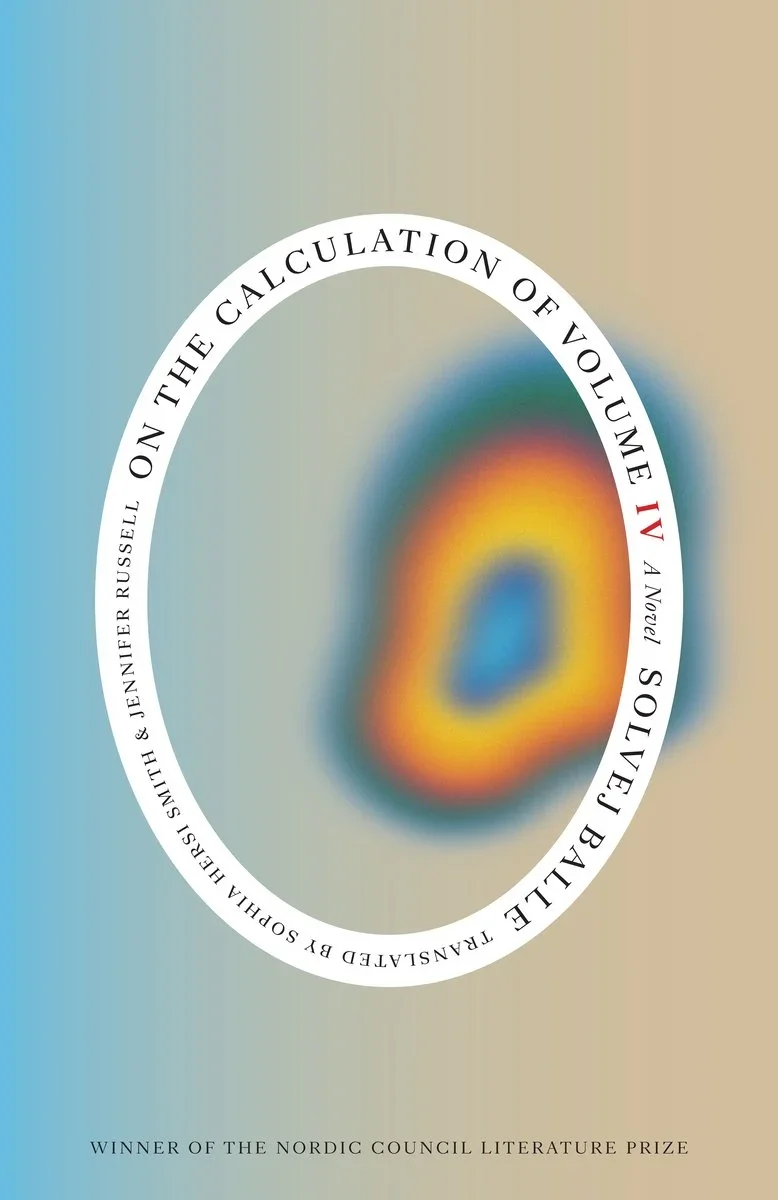
On the Calculation of Volume IV by Solvej Balle
A continuation of a philosophical series focused on time and repetition. Best if you want something slower and more immersive.
A brilliant modern spin on the myth of Babel in the Book of Genesis, Book IV asks urgent questions, concerning the naming of things, of people, and of the functions of language itself–must a social movement have a common language in order to exist? Snatches of conversation, argument, and late-night chatter crowd onto the pages of Tara’s notebooks. Amid the buzz and excitement of a new social order coming into being, Book IV ends with a sudden, unexpected, and tantalizing cliffhanger that no one not even Tara, our steady cataloger and cartographer of the endless November day could have foreseen.
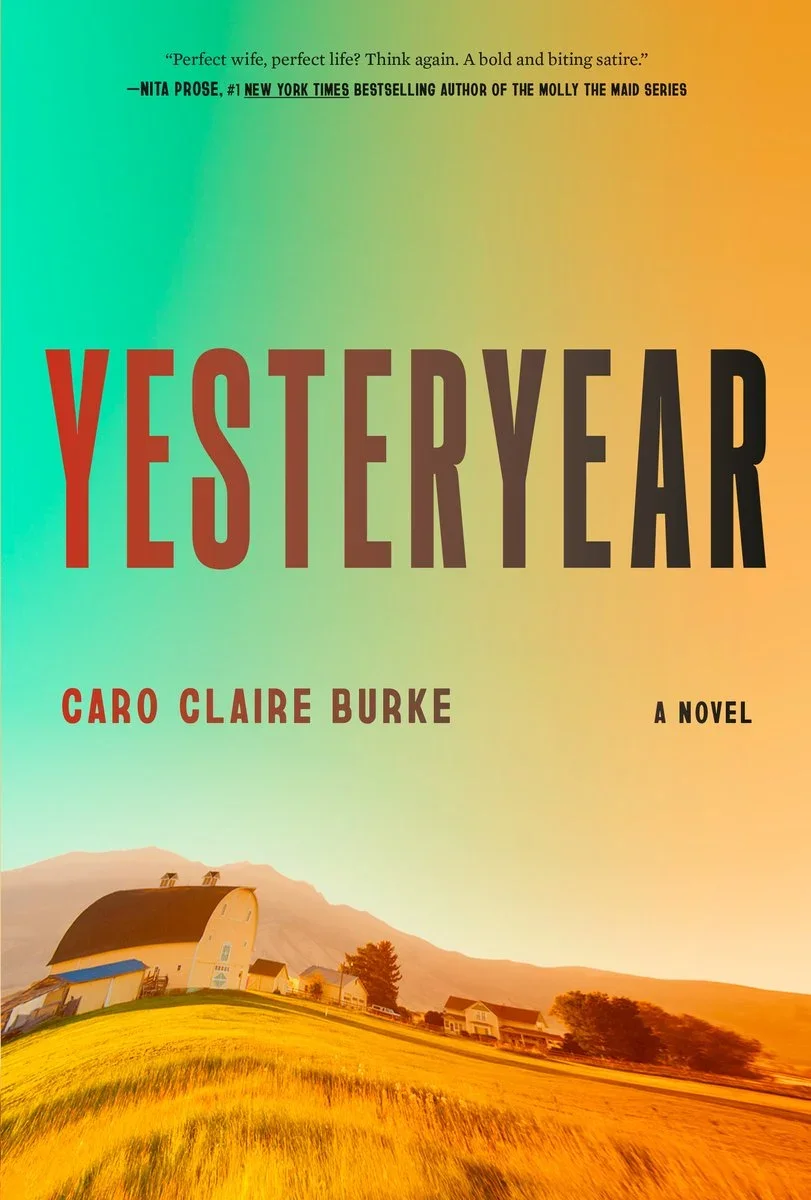
Yesteryear by Caro Claire Burke
A suspense-driven story centered on memory and identity, with a slightly disorientating edge.
Natalie lives a traditional lifestyle. Her charming farmhouse is rustic, her husband a handsome cowboy, her six children each more delightful than the last. So what if there are nannies and producers behind the scenes, her kitchen hiding industrial-grade fridges and ovens, her husband the Republican equivalent of a Kennedy? What Natalie’s followers—all 8 million of them—don’t know won’t hurt them. And The Angry Women? The privileged, Ivy League, coastal elite haters who call her an antifeminist iconoclast? They’re sick with jealousy. Because Natalie isn’t simply living the good life, she’s living the ideal—and just so happens to be building an empire from it.

Until one morning she wakes up in a life that isn’t hers. Her home, her husband, her children—they’re all familiar, but something’s off. Her kitchen is warmed by a sputtering fire rather than electricity, her children are dirty and strange, and her soft-handed husband is suddenly a competent farmer. Just yesterday Natalie was curating photos of homemade jam for her Instagram, and now she’s expected to haul firewood and handwash clothes until her fingers bleed. Has she become the unwitting star of a brutal reality show? Could it really be time travel? Is she being tested by God? By Satan? When Natalie suffers a brutal injury in the woods, she realizes two things: This is not her beautiful life, and she must escape by any means possible.
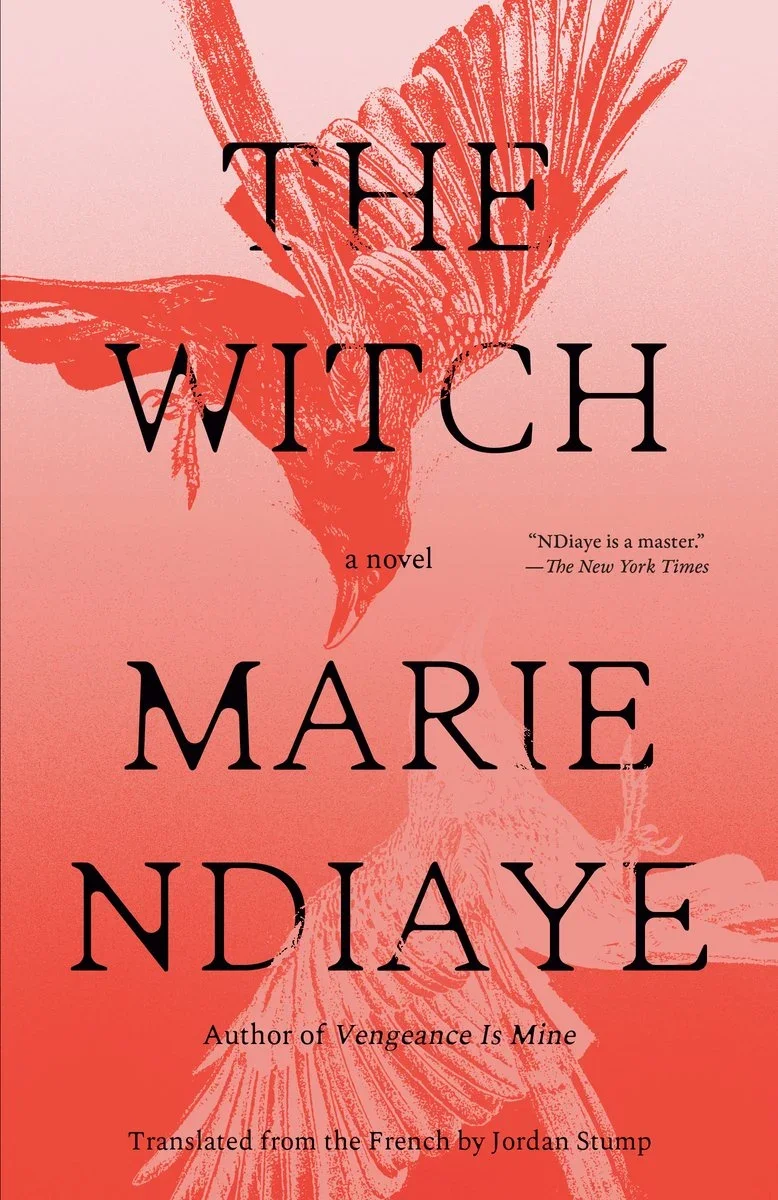
The Witch by Marie Ndiaye
Literary and slightly surreal that explores complex female identity.
In a small French town, a mediocre witch trapped in a cruel marriage cries watery tears of blood as she passes on her gifts to her twin daughters, who soon must make a choice: stay close to the nest and the mother who nourished them, or soar away from the dead-end claustrophobia their selfish father has imposed?

Lucie comes from a long line of witches, with powers passed down from mother to daughter. Many of them have hidden or repressed their gifts to appease disgusted or fearful men. But against the wishes of her controlling husband, Lucie initiates her twins into their family’s peculiar womanhood when they reach the age of twelve. In a few short months, Maud and Lise are crying rich crimson tears, their powers quickly becoming more potent than their mother’s, opening them to liberation and euphoria beyond what Lucie and her foremothers ever considered.

Equal parts dreamlike and disquieting, The Witch tells a tale as old as time, with a dark twist: Without looking back, children fly the nest, laying bare the tenuous threads of family that have long threatened to snap. With simmering tension and increasing panic, NDiaye’s latest novel in English captures the terror and precarity of motherhood and marriage, and the uncertainty of slowly realizing that your progeny are more dangerous—to the world and to your heart—and freer than you ever could have dreamed.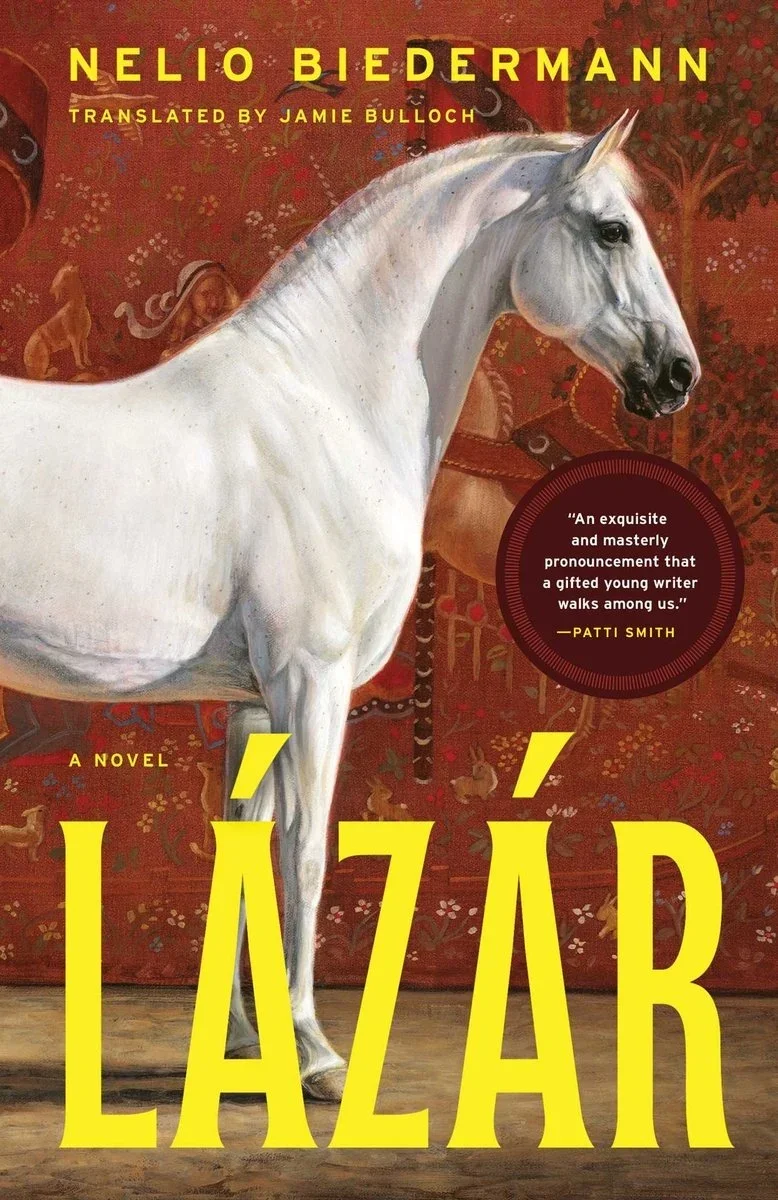
Lazar by Nelio Biedermann
A more abstract, likely retrospective read that leans into identity and internal conflict.
At the turn of the 20th century, the Lázárs welcome their newest member in their rural summer estate, surrounded by a menacingly dark, enchanting forest. Lajos von Lázár is a baby boy with translucent skin and light-blue eyes who looks nothing like the rest of his family. Sándor, the imposing patriarch, is ashamed of his son’s peculiarity. Ilona finds her baby brother quite ugly. Mária is terrified that her son’s uncanny resemblance to the stagehand who died a couple weeks earlier might spell disaster. While Imre, Sándor’s brother whose otherworldly foresight is often confused for insanity, is struck by visions of a great catastrophe.

Lajos’s birth is emblematic of the many secrets, affairs, and peculiar otherworldly happenings that plague the Lázárs. As the decades go by, they will continue to fall prey to their desires, leading grand lives, and experiencing even greater tragedies as they’re swept by the tides of war and revolution that befall their country. But time and again, in the lighter years, extraordinary love and hope shine through.

Masterfully written and deeply haunting, Lázár is a magisterial novel that presents the sweeping history of a nation through the lives of one extraordinary family.
The Palm House by Gwendoline Riley
Known for her sharp and stripped-down prose, this is one of those books where, based on the description, the tension sits in the dialogue and relationships.
Laura Miller and Edmund Putnam have been friends for a long time. Theirs is a happy meeting of minds, with long evenings spent huddled in an ancient pub by the Thames, where they share office gossip, reflect on their teenage passions, and lament the state of the world.

Recently, though, Putnam has been harder to reach: he has lost his father, and the magazine to which he has dedicated his life has been hijacked by an insufferable new editor, Simon ‘call me Shove’ Halfpenny.

Laura has her own problems: with a prickly mother and a tricky past, and in a beautiful and indifferent city, her day-to-day life is precarious. But as Putnam starts to sink into despondency, she must try to bring him back.

A novel of enduring friendships and small mercies, The Palm House offers us Gwendoline Riley’s trademark keen observation and wit, and leaves us - somehow - with a curious sense of possibility.

The Future is Peace by Aziz Abu Sarah
A nonfiction pick focused on conflict resolution and global perspective.
Palestinian Aziz Abu Sarah and Israeli Maoz Inon are unlikely peacemakers, dedicated to finding a solution to the bitter war that has decimated historical, ancient land and ended family lines. Despite the losses they have suffered, the resolve of their friendship has taught them that strength and unity are more powerful than the violence of separation. Throughout their travels, they have been constantly In the face of so much pain and suffering on both sides, when there have been so many lives lost and families shattered, how can they ever find hope? Their answer is always the same. One cannot find hope. We must create it.

In The Future Is Peace, Sarah and Inon take readers on their unforgettable weeklong journey across the holy land while exploring each other's personal and national histories in a land of competing narratives, amid the turbulent push and pull of near constant war, and the recent devastation that has rocked the world. Their mission—to explain the naivete in believing that more violence can bring security and prosperity to either people while in search of a true and lasting peace. Pairing unapologetic candor and inspirational prose, Sarah and Inon are sending a message to humanity that the people have the power to make change. Peace is achievable, not just between the river and the sea, but throughout the world.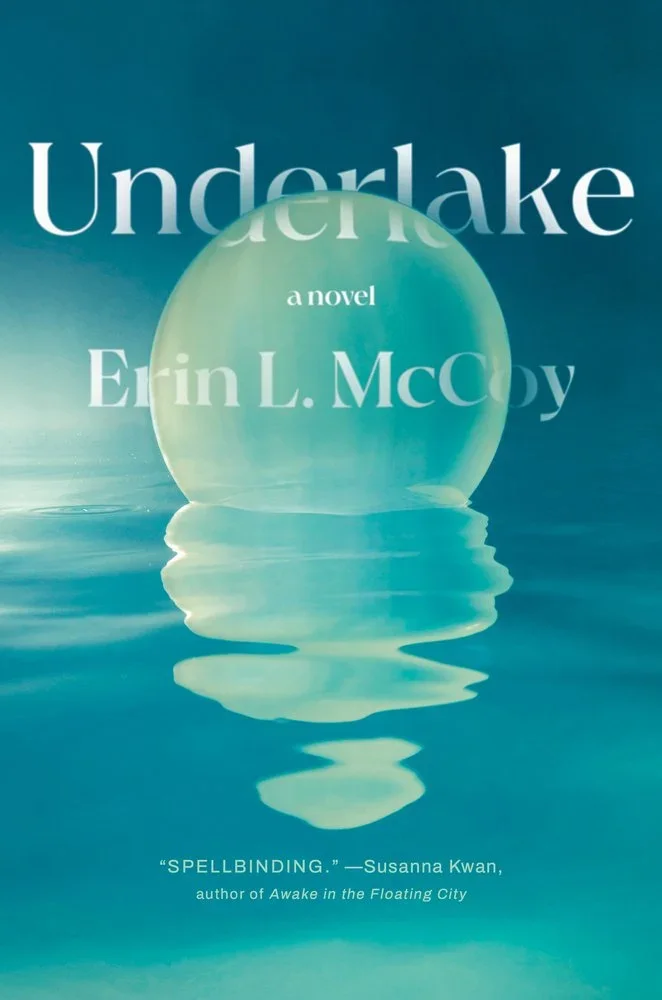
Underlake by Erin L. McCoy
Leans more into mystery/speculative territory with a setting that carries a strong sense of atmosphere.
Thirteen years ago, Otta escaped the small town of Steels, intent upon becoming a marine biologist. Now she's returned, having failed to achieve her dream, and carrying the guilt of a friend's death during a deep-sea dive. She thinks she may never dive again, but then a stranger appears at her door.This stranger, May, says that her daughter has run away, and insists that she's under a nearby lake—alive.Because it turns out the small-town legend of "the underlake" is three decades ago, an entire valley and the town in it was flooded to make way for a dam, but the people in that town refused to leave. Now, they're still living beneath the lake, self-proclaimed “refugees of a world obsessed with change,” connected—and held apart—by an intricate, airtight system of tubes and sealed buildings. To find May's missing daughter, Otta and May must travel deeper and deeper under the water. Along the way, they'll discover communities that have lived in isolation for decades, fomenting extremes of delusion and nostalgia. As the two women bond in the thrall of their search, they are each forced to confront the layers of fear, control, and uncertainty that drive their quest. Together and alone, they must challenge the laws of love and society—and push their bodies to the mortal limit.Hypnotic and arresting, Underlake How do we claim our place on the great timeline of history, and who do we erase in the process? It brings a poet's attention to language, gesturing at the evocative and ethereal work of Preeta Samarasan and Marilynne Robinson, while also shrewdly exploring the American obsession with inheritance, property, and race. Finally, Underlake is a powerful meditation on what is possible when women reach through time, space, and memory to relate to one another.
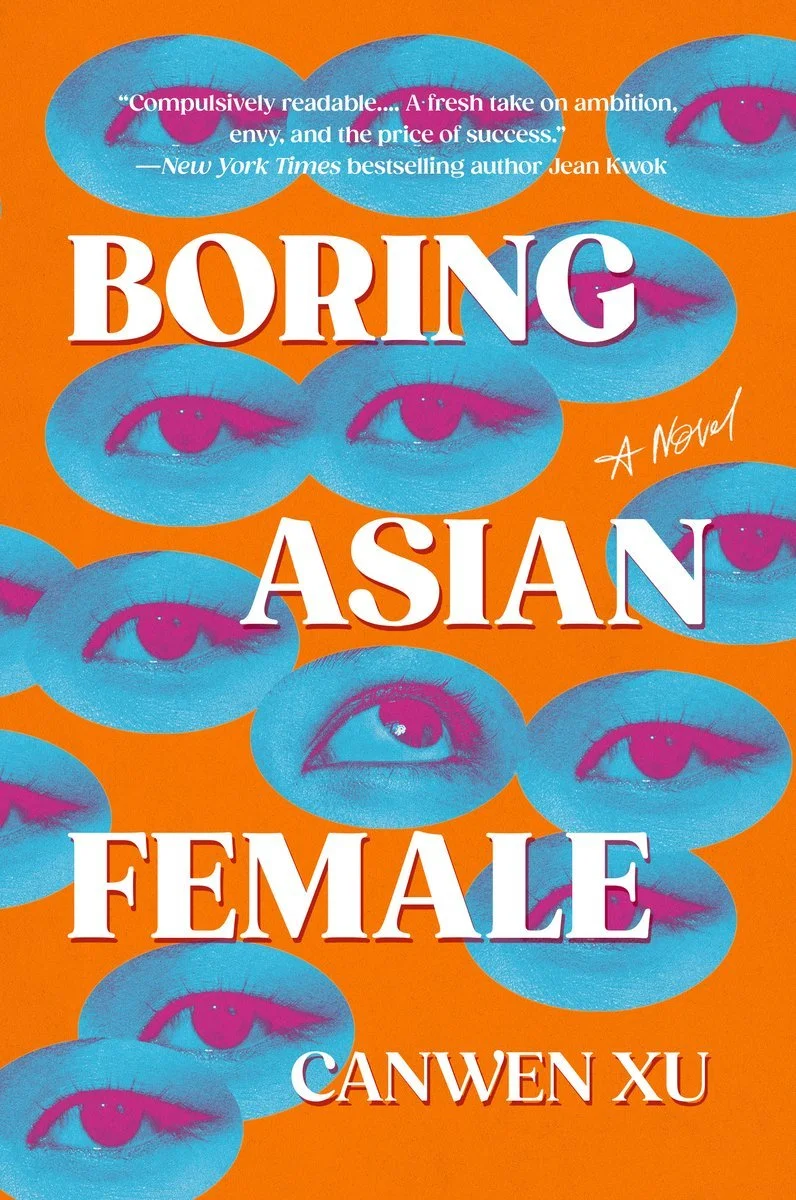
Boring Asian Female by Canwen Xu
Likely sharp and self-aware, an exploration of identity, stereotype, and voice in a contemporary way.
Elizabeth Zhang is well aware of her place in the world. She’s in the tenth percentile for likability, the seventieth percentile for attractiveness, and the ninety-ninth percentile for academics. While she’s never been the most beautiful or the most liked, she knows she has the intelligence and ambition to achieve her greatest dream: Harvard Law School. But when Harvard rejects Elizabeth for not standing out enough—which she knows means she's just another boring Asian female—her carefully constructed life falls apart. What shocks her even more is that Laura Kim, a classmate at Columbia, got in. Elizabeth can’t figure out how this could have happened. Why was Laura accepted? What makes her so interesting?

At first, she follows her because she’s just curious. What Laura orders for lunch. Where Laura shops. What Laura’s hobbies are. All of these things must contribute to her overall package, what makes her an acceptable person to Harvard. But still, Elizabeth just can’t see it. The only thing she sees is that Laura has taken her spot.

A spot that she knows she deserves after working so hard. A spot that she’ll simply have to take back.